 JobTime
Wondering why some employers respond within days while others take weeks or even months? Here’s a closer look at how the recruitment process works in South Africa and what you can realistically expect after submitting your job application.
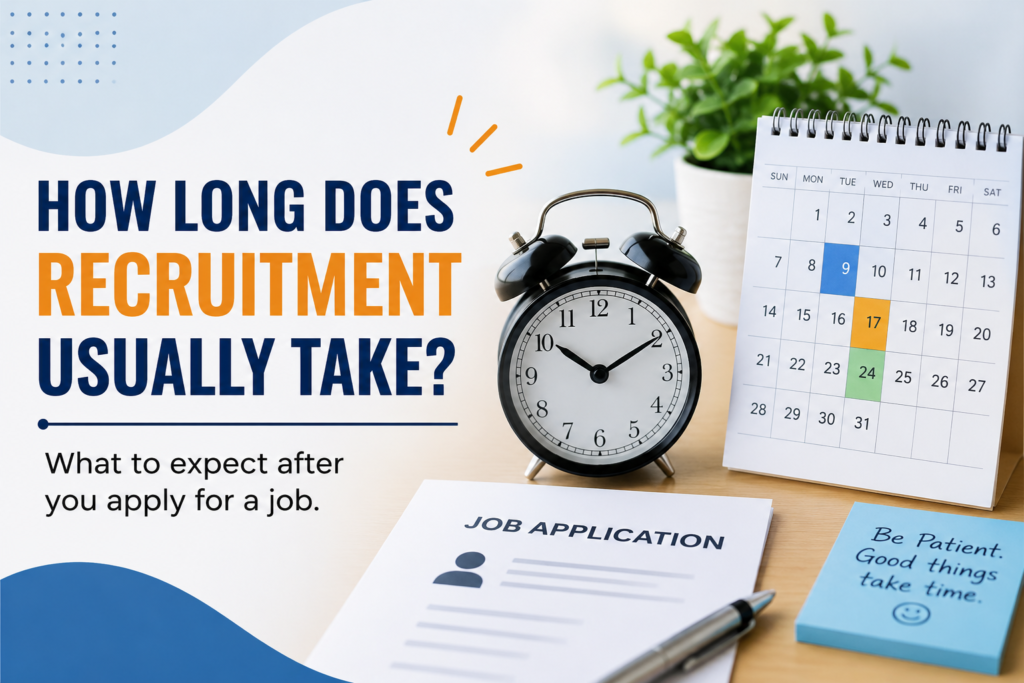
Waiting to hear back after applying for a job can be one of the most frustrating parts of the job search. You spend time updating your CV, tailoring your application, and submitting everything before the closing date, only to find yourself checking your phone and email every day hoping for good news.
If you’ve ever asked yourself, “How long does recruitment usually take?”, you’re certainly not alone.
The truth is that there isn’t one simple answer. Some companies fill positions within a week, while others may take several weeks or even a few months before making a final decision. The timeline often depends on factors such as the employer, the type of position, the number of applications received, and the company’s internal recruitment process.
In South Africa, it’s quite common for job seekers to wait anywhere from a few days to several weeks before receiving feedback. While this can be discouraging, it doesn’t necessarily mean your application has been unsuccessful.
In this guide, we’ll explain what usually happens after you apply for a job, how long each stage of recruitment may take, why delays happen, and what you can do while waiting. Whether you’re applying for your first job, a graduate programme, a learnership, or a senior position, understanding the recruitment process can help reduce uncertainty and make the waiting period a little easier.
One of the biggest misconceptions among job seekers is that every employer follows the same hiring process. In reality, recruitment timelines differ from one organisation to another.
A small local business may review applications within a few days because only a handful of candidates have applied. On the other hand, a large national employer could receive thousands of applications for a single vacancy, making the process much longer.
Some employers recruit continuously throughout the year, while others only hire when specific positions become available. Government departments, municipalities, and large corporations also tend to have additional approval processes before appointments can be made.
Because of these differences, it’s important not to compare your experience with someone else’s. Two people applying for different companies could have completely different recruitment journeys.
Many job seekers assume that employers begin reviewing applications immediately after they click the “Submit” button. In reality, that’s not always the case.
Most employers wait until the advertised closing date has passed before they begin screening applications. This allows recruiters to review all candidates fairly rather than considering applications one at a time.
Once applications close, recruiters usually begin sorting through the submitted CVs to identify candidates who meet the minimum requirements.
During this stage, employers may check:
If your application meets the basic requirements, it may move to the next stage of the recruitment process.
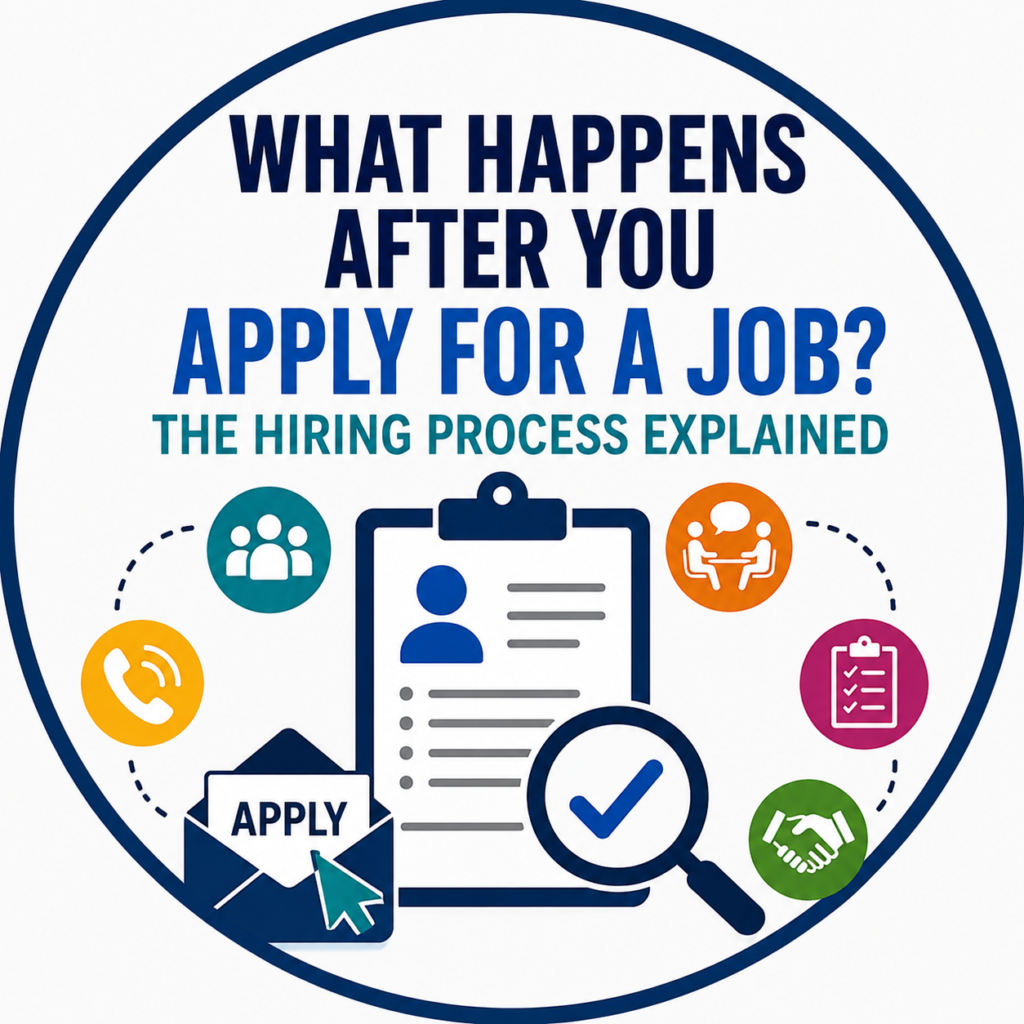
Although every employer follows its own procedures, the recruitment process often follows a similar pattern.
The employer publishes the vacancy on its website, recruitment platforms, or career portals.
This stage usually remains open for one to four weeks, depending on the position.
After the closing date passes, recruiters begin reviewing all applications.
This stage generally takes between one and two weeks but can take longer when large numbers of applications are received.
Graduate programmes, internships, government vacancies, and popular retail jobs often attract thousands of applicants, which naturally extends the screening process.
Recruiters compare applicants against the job requirements and prepare a shortlist for interviews.
During this process they may also verify qualifications, review employment history, and assess whether candidates possess the necessary skills.
Shortlisting typically takes one to three weeks.
Candidates who make the shortlist are contacted to arrange interviews.
Some employers conduct only one interview, while others require multiple rounds.
For graduate programmes or management positions, candidates may also complete assessments, presentations, or practical evaluations.
The interview process usually takes between one and three weeks.
Once interviews are completed, employers often conduct background checks before making a final decision.
These checks may include:
Depending on the role, this process may take several days or a few weeks.
Once the successful candidate has been selected and internal approvals have been completed, the employer issues a formal job offer.
Candidates are usually contacted by telephone or email before receiving an official employment contract.
One of the biggest reasons recruitment takes longer than expected is the number of applications employers receive.
For example, a vacancy for a cashier, call centre agent, graduate trainee, or administrative assistant can easily attract hundreds or even thousands of applications.
Recruiters need time to carefully review each application before deciding who should move forward.
There are also many behind-the-scenes processes that applicants never see.
Managers often need to approve interview schedules, discuss shortlisted candidates, obtain budget approval, and coordinate interview availability.
If one decision-maker is unavailable, the entire recruitment process can be delayed.
This doesn’t necessarily mean something is wrong with your application—it may simply mean the employer is still working through its recruitment process.
One question we receive regularly from JobTime readers is whether government recruitment takes longer than private companies.
Generally speaking, government departments and municipalities tend to have longer recruitment processes.
This is because appointments often require multiple levels of approval, verification, and compliance with public sector recruitment procedures.
Private companies usually have more flexibility, allowing them to make appointments faster when necessary.
Here’s a general comparison:
| Employer Type | Typical Recruitment Time |
|---|---|
| Small Business | 1–3 weeks |
| Medium-Sized Company | 2–6 weeks |
| Large Private Company | 3–8 weeks |
| Graduate Programmes | 1–3 months |
| Government Departments | 2–6 months |
| Municipalities | 2–5 months |
| State-Owned Entities | 2–6 months |
These are only general estimates. Some employers may recruit much faster, while others may take longer depending on operational requirements.
Not every company waits several weeks before making contact.
Some organisations begin reviewing applications while the vacancy is still open, especially if they’re recruiting urgently.
Positions that need immediate replacement may move through recruitment much faster than planned.
Retail stores, restaurants, hospitality businesses, customer service centres, and seasonal employers often recruit more quickly because operational needs require immediate staffing.
If an employer contacts you within a few days of applying, it’s usually a good sign that they’re actively recruiting and interested in progressing your application.
Recruitment delays happen more often than many people realise, and they aren’t always related to your application.
Some common reasons include:
While waiting can be frustrating, understanding these factors can help you avoid assuming the worst too quickly.
One of the biggest mistakes job seekers make is stopping their job search after applying for one vacancy.
Even if you believe you’ve found your dream job, continue applying for other opportunities until you’ve officially accepted a written job offer.
Recruitment processes can change unexpectedly, positions may be placed on hold, or employers may decide to appoint an internal candidate.
Keeping your options open not only improves your chances of finding employment but also reduces unnecessary stress while waiting for feedback.
In the second part of this guide, we’ll discuss what you should do while waiting for an employer to respond, when it’s appropriate to follow up on an application, common recruitment myths, and answer some of the most frequently asked questions about hiring timelines in South Africa.

One of the most difficult parts of searching for a job is the waiting period. After submitting your application, it’s completely normal to wonder whether anyone has looked at your CV or if you’re still being considered for the position.
The most important thing you can do during this time is to remain proactive. Instead of checking your email every few minutes, continue applying for other vacancies that match your qualifications and experience.
Many experienced recruiters actually recommend that job seekers keep applying until they have signed an employment contract. This approach not only increases your chances of finding work but also prevents unnecessary disappointment if one opportunity doesn’t work out.
While waiting, you can also use the time to improve your chances for future applications by:
Remember, every application is another opportunity, so staying productive can make the waiting period feel much more worthwhile.
Many job seekers worry that following up might annoy recruiters. In reality, a polite and professional follow-up can be perfectly acceptable if done at the right time.
As a general guideline:
When contacting an employer, keep your message brief and professional. Thank them for the opportunity, mention the position you applied for, and politely ask whether there are any updates regarding the recruitment process.
Avoid sending repeated emails or making frequent phone calls, as this can create a negative impression.
Many applicants assume that “no news is bad news,” but that’s not always the case.
Recruitment processes often continue quietly behind the scenes while recruiters complete interviews, reference checks, or internal approvals.
Some positive signs include:
Even if several weeks have passed, you may still be under consideration depending on the employer’s recruitment process.
While employers sometimes experience delays, applicants can also unintentionally slow down the recruitment process.
Some common mistakes include:
Missing documents, incomplete forms, or unsigned declarations can prevent recruiters from processing your application.
Employers appreciate applications that are tailored to the specific position.
Updating your professional summary and highlighting relevant experience can improve your chances of being shortlisted.
Double-check your phone number and email address before submitting any application.
You’d be surprised how many candidates accidentally miss opportunities because of typing errors.
Some employers request certified documents, portfolios, or specific file formats.
Following instructions carefully demonstrates professionalism and attention to detail.
Not every industry recruits at the same pace.
Retail businesses often recruit quickly, especially before busy shopping seasons.
Typical timeframe:
1–4 weeks
Financial institutions usually complete several verification checks before making appointments.
Typical timeframe:
3–8 weeks
Hospitals and healthcare providers may recruit relatively quickly when staffing shortages exist.
Typical timeframe:
2–6 weeks
Engineering positions often involve technical interviews and practical assessments.
Typical timeframe:
4–10 weeks
Technology companies frequently move faster than many traditional industries due to the demand for skilled professionals.
Typical timeframe:
2–6 weeks
Government recruitment generally takes longer because appointments often require multiple approval stages.
Typical timeframe:
2–6 months
Every employer works differently, but if you haven’t received any communication several weeks after the recruitment process was expected to conclude, it may be reasonable to continue focusing on other opportunities while remaining open to future contact.
Unfortunately not.
Being invited for an interview means you’ve impressed the recruiter enough to move to the next stage, but the final decision usually depends on interviews, assessments, references, and other recruitment factors.
Some employers receive thousands of applications and unfortunately don’t have the resources to provide individual feedback to every unsuccessful applicant.
While this can be disappointing, it’s relatively common within competitive recruitment environments.
Yes.
It’s not unusual for employers to contact candidates several weeks or even months later if recruitment takes longer than expected or if another vacancy becomes available.
Absolutely.
Until you’ve accepted a formal job offer, it’s wise to continue applying for suitable positions.
This keeps your options open and reduces unnecessary pressure.
Yes.
Recruitment activities often slow down during weekends, public holidays, and year-end shutdown periods.
These delays are perfectly normal.
Graduate programmes often attract thousands of applications from across South Africa.
Employers usually complete several screening stages, interviews, assessments, and internal approval processes before making appointments.
In many cases, yes.
As long as you meet the requirements for each vacancy, applying for multiple suitable positions may improve your chances of securing employment.
Always read the employer’s application guidelines first.
If you’ve accepted another permanent position, it’s courteous to inform employers that you’re withdrawing your application.
Professional communication helps maintain a positive reputation.
Submitting your application before the closing date demonstrates organisation and ensures your application is received on time.
However, selection decisions are generally based on qualifications, experience, and suitability rather than simply who applied first.
Employers usually contact references once they’ve identified their preferred candidates.
This helps verify employment history, performance, and professional conduct before making a final offer.
Yes.
Occasionally employers freeze recruitment due to budget changes, restructuring, or operational requirements.
While disappointing, these situations are sometimes beyond both the employer’s and applicants’ control.
Waiting for feedback after applying for a job isn’t easy, especially when you’re eager to start working or move forward in your career. The important thing to remember is that recruitment rarely happens overnight. Behind every vacancy is a process that includes reviewing applications, arranging interviews, checking references, and getting approvals before an offer can be made.
If you haven’t heard back as quickly as you hoped, try not to lose confidence. Keep applying for other opportunities, continue improving your skills, and stay prepared for the next phone call or interview invitation. Every application gives you more experience and increases your chances of finding the right role.
Job hunting can test your patience, but persistence often pays off. Many people who eventually secure great jobs have faced several unsuccessful applications before receiving the opportunity that changed their careers. Stay positive, keep learning, and don’t let a delayed response discourage you from pursuing your career goals.








 📢 Get Job Alerts on WhatsApp
 Home
Home View all posts
 Post a Job