 JobTime
Finding stable employment remains a priority for millions of South Africans, and government jobs in South Africa continue to attract considerable interest. From entry-level administration and general worker positions to careers in healthcare, education, engineering, policing and finance, the public sector employs people with a wide range of qualifications and experience.
One of the biggest misconceptions about government employment is that every position requires a university degree. That simply isn’t the case. While professional careers such as engineering, medicine and certain management positions require specific qualifications, government departments also advertise opportunities for clerks, cleaners, drivers, general workers, tradespeople and other support employees.
For someone sitting at home in Cape Town, Johannesburg, Durban, Polokwane or a small rural town searching for their next opportunity, the difficult part is often knowing where legitimate government vacancies are advertised and how to apply correctly.
This guide explains the different types of public-sector careers, how government recruitment generally works, what to include in your application and how to avoid common mistakes and job scams.
There are many reasons someone might consider working in the public sector.
For some people, it is the opportunity to build a long-term career. For others, the attraction is working in a field that directly serves South African communities.
A nurse working at a public clinic, an administrative clerk processing documents, an engineer working on infrastructure and a cleaner maintaining a government facility perform completely different jobs, but each contributes to the delivery of public services.
Government employment can also provide structured employment conditions and benefits depending on the position and department.
However, job seekers shouldn’t assume that every government position automatically offers the same salary, benefits, working hours or employment security.
Always read the actual vacancy advertisement.
South Africa’s public sector is large.
Employment opportunities can potentially be found at national, provincial and local-government level, as well as in various public institutions and entities.
This means vacancies aren’t limited to Pretoria.
Opportunities can arise across all nine provinces:
The location of the position should always be one of the first things you check.
A vacancy may sound perfect until you realise the job is hundreds of kilometres from where you live.
If you’re willing to relocate, that’s different. Otherwise, focusing on opportunities within a realistic travelling distance can save you time and money.
Administrative employees help government offices function efficiently.
Depending on the department, opportunities may include:
The responsibilities can include answering enquiries, processing documentation, maintaining records, capturing information and assisting members of the public.
Computer literacy can be particularly useful.
Knowing how to work with email, spreadsheets, word-processing software and electronic filing systems may strengthen your application where those abilities are required.
Don’t underestimate communication skills either. Some administrative positions involve dealing with members of the public throughout the day.
Not every government employee sits behind a desk.
Departments and public facilities require employees to perform important practical and support duties.
Opportunities may include:
These positions can be particularly relevant to applicants who don’t have tertiary qualifications.
However, entry-level does not mean no requirements.
A driver position could require a particular driver’s licence and possibly a Professional Driving Permit. A maintenance role might require technical experience, while another position could have specific educational requirements.
Read each advertisement carefully.
South Africa’s public healthcare system requires a large and diverse workforce.
Public hospitals, clinics and other health facilities may employ:
Professional healthcare positions usually require appropriate qualifications and, where applicable, registration with the relevant professional body.
Healthcare work can also be demanding.
Employees may work shifts, nights, weekends and public holidays depending on their role and facility.
If you’re applying for a healthcare position, carefully check the professional registration, qualification and experience requirements before submitting your application.
Public education is another major area of government employment.
The most obvious positions are teachers, but education requires many other professionals and support employees.
Potential opportunities can include:
Teaching positions generally require recognised qualifications and applicable professional registration.
Requirements for administrative and support vacancies will differ.
Applicants should check the relevant provincial or national education recruitment channels for current opportunities.
For South Africans interested in public safety, opportunities can exist within policing, corrections, traffic enforcement and related services.
Positions can include:
These jobs can have much stricter selection requirements than ordinary office vacancies.
Depending on the position, applicants may undergo physical assessments, medical examinations, background checks, fingerprinting, security screening or other selection procedures.
If you want to become a police or correctional official, understand that the job carries significant responsibility. Don’t apply simply because you like the uniform or believe it offers a secure salary.
Working in law enforcement requires professionalism, discipline and the ability to handle difficult situations.
Government is responsible for significant public infrastructure and service-delivery functions.
This creates opportunities for qualified professionals and technical employees.
Potential careers can include:
Some roles require university degrees or diplomas, while technical and artisan positions may have different qualification requirements.
Professional registration can also be required for certain careers.
Government services often deal directly with vulnerable people and communities.
This creates opportunities for professionals working in social development and related fields.
Positions may include:
Some professional positions require recognised qualifications and registration with the appropriate professional body.
Working in this field can be emotionally demanding, but it can also provide an opportunity to make a meaningful contribution to people’s lives.
Behind every government department are employees responsible for budgets, procurement, recruitment and administration.
Vacancies can include:
Entry requirements vary considerably.
Junior administrative roles may have relatively basic requirements, while specialist positions could require a diploma, degree, professional registration or several years of experience.
There isn’t one qualification that covers all government jobs.
This is an important point because job seekers sometimes believe that Matric automatically qualifies them for every entry-level government vacancy.
It doesn’t.
Every advertisement has its own requirements.
Depending on the position, an employer could require:
If the advertisement says a qualification is compulsory, don’t claim to have it if you don’t.
Government recruitment can include verification of qualifications and other information.
This might sound simple, but it’s one of the most valuable things you can do.
Don’t see the words “Government Jobs Available” on Facebook and immediately start sending your ID and CV around.
Find the actual vacancy advertisement and read it from beginning to end.
Pay particular attention to:
Reference number: Government vacancies often have reference numbers identifying the specific position.
Location: Check the actual office, facility, district or province.
Salary: Understand whether the advertised amount is annual or monthly and whether additional conditions apply.
Requirements: Compare these with your genuine qualifications and experience.
Duties: Make sure you understand what you’ll actually be doing.
Application instructions: Different departments or vacancies may use different recruitment processes.
Closing date: Late applications may not be considered.
One missing instruction can be the difference between an application being considered and rejected.
Your CV should make it easy for the recruiter to understand your background.
You don’t need unnecessary graphics or ten pages of personal information.
Include relevant details such as:
When describing previous employment, explain what you actually did.
Instead of writing only:
Administrative Clerk – 2023 to 2025
you might mention relevant responsibilities such as capturing information, processing documents, maintaining records and assisting customers.
Keep everything truthful.
If you’ve spent any time looking for South African government vacancies, you’ve probably come across the Z83 application form.
The Z83 is used in public-service recruitment where required.
One of the most common mistakes applicants make is downloading an old form from a random website or completing sections incorrectly.
Always follow the instructions in the current vacancy and use the correct application documentation requested by the department.
Fill in information accurately and make sure you haven’t accidentally left required sections incomplete.
Don’t assume every government-related vacancy follows exactly the same process either. State entities, municipalities and other public institutions may use their own recruitment platforms or forms.
Government recruitment has increasingly moved towards electronic systems for certain vacancies.
When an advertisement instructs you to apply through an online portal, follow that process rather than sending your CV to unrelated email addresses.
Before starting an online application:
Don’t wait until five minutes before midnight on closing day.
A slow internet connection, forgotten password or website problem can suddenly turn a simple application into a stressful evening.
Government employment isn’t limited to permanent vacancies.
Departments may also advertise:
These programmes can be useful for young South Africans who have completed qualifications but don’t yet have extensive workplace experience.
Always check the specific eligibility criteria.
Some programmes target unemployed graduates, while others may have age, qualification or location requirements.
Completing an internship doesn’t automatically guarantee permanent employment, but the experience can strengthen your CV and provide exposure to a professional working environment.
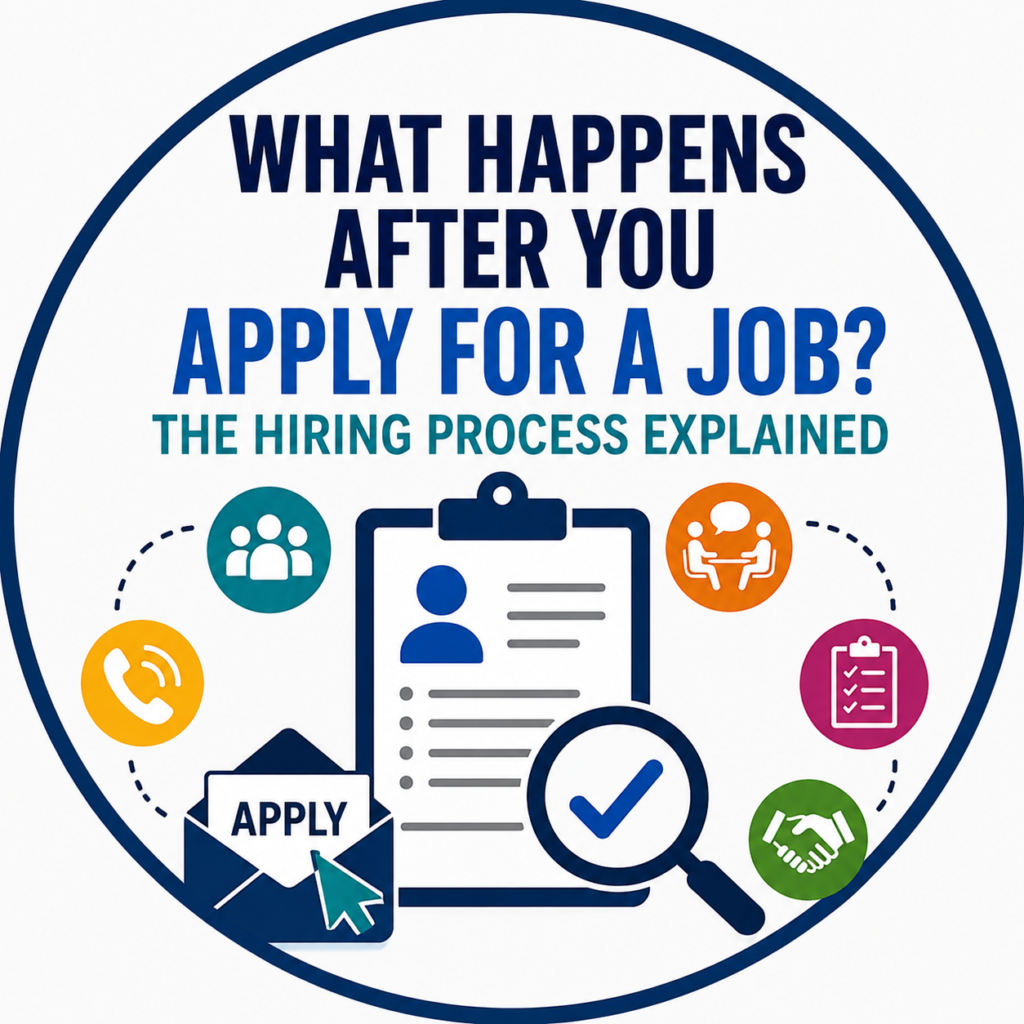
Government recruitment can take time.
After the closing date, applications may be screened to determine which candidates meet the minimum requirements.
Shortlisted candidates may then be contacted for interviews or assessments.
Depending on the position, additional steps could include:
Submitting an application does not guarantee an interview.
And being interviewed doesn’t guarantee appointment.
Continue applying for other suitable opportunities while waiting.
If you are shortlisted, prepare properly.
Read the vacancy again and remind yourself of its duties.
Research the department and understand its basic purpose.
You may be asked about your previous experience, how you handle workplace challenges and why you’re suitable for the position.
Use real examples where possible.
If you’re travelling to an interview in Joburg or Cape Town during peak traffic, leave early. Arriving 20 minutes early is far better than walking through the door stressed because the N1 decided to test your patience that morning.
Dress appropriately and bring any documents you’ve specifically been asked to provide.
Government salaries vary enormously.
A general worker and a senior medical specialist obviously won’t earn similar salaries.
Vacancy advertisements often specify the applicable salary level or remuneration package.
Depending on the position and employment conditions, benefits may include pension, medical-related arrangements, leave and other employment benefits.
Never rely on a random social-media post claiming that “all government workers earn R25,000 per month.”
Use the remuneration stated in the legitimate vacancy advertisement.
Government job scams can target people who desperately need employment.
A scammer may claim to know someone inside a department and offer to “put your name on the list” for a fee.
That’s a major warning sign.
Be suspicious if someone:
A logo and government-looking letterhead don’t automatically make something legitimate.
Verify suspicious opportunities using official government channels before sharing sensitive information.
Yes, some positions may require Grade 12/Matric as their minimum educational requirement. However, many other vacancies require additional qualifications or experience.
Certain support or general worker vacancies may have different educational requirements. Check each advertisement individually rather than assuming.
Some do and some don’t. Entry-level positions, internships and development programmes may require little or no previous experience, while professional and senior positions generally have stricter requirements.
Not necessarily. Application procedures can differ depending on the employer and vacancy. Follow the instructions in the specific advertisement.
You can apply for different suitable vacancies where you meet the requirements, following the application instructions for each position.
Verify vacancies through official government recruitment channels, departmental websites or legitimate public-sector platforms.
No legitimate appointment should depend on paying an individual to secretly secure the position for you.
Government vacancies can attract many applications, and recruitment processes may take time. Only shortlisted applicants may be contacted in some recruitment processes.
Applying for 100 completely unsuitable positions isn’t necessarily better than submitting ten carefully prepared applications for jobs you genuinely qualify for.
Focus on quality.
Read the minimum requirements. Use the correct reference number. Follow the application method exactly. Keep your CV updated.
Check your email regularly and answer unfamiliar calls professionally while you’re actively job hunting.
You can also improve your future opportunities by developing useful skills.
Computer literacy, a driver’s licence, short accredited courses, improved communication skills and additional qualifications can potentially open doors to positions you don’t currently qualify for.
Keep copies of your qualifications and employment documents organised so that you’re ready when a suitable vacancy appears.
A public-sector career comes with responsibility.
Government employees ultimately provide services to South Africans.
Whether you’re helping someone at a Home Affairs counter, maintaining a public hospital, teaching children, processing a social-service document or repairing public infrastructure, the quality of your work can affect real people.
That is worth remembering when considering a government career.
A stable salary is important, especially with the cost of living many South African households face, but public service also requires accountability, professionalism and respect for the people being served.
There is no single type of government job in South Africa.
The public sector employs everyone from general workers and administrative clerks to teachers, nurses, engineers, social workers, police officials and senior professionals.
That variety means there may be opportunities for people at very different stages of their careers.
The best approach is simple: search through legitimate sources, identify jobs that genuinely match your qualifications and follow the application instructions carefully.
Don’t pay someone to get you “inside.” Don’t lie about your qualifications. Don’t send your ID to every WhatsApp number advertising vacancies. And don’t give up because your first few applications weren’t successful.
South Africa’s job market is competitive, and finding the right opportunity can take time.
Keep your CV ready, regularly check for new vacancies and continue developing skills that can improve your employability.
This website provides career and employment information to help South African job seekers understand and find opportunities. We are not a government department, recruitment agency or employer, and we cannot guarantee employment. Vacancy requirements, salaries, application procedures and closing dates can change. Always verify the details of a position through the relevant official government recruitment channel before applying.
When you find a suitable position, read the advertisement carefully, prepare your documents and submit your application before the stated deadline.








 📢 Get Job Alerts on WhatsApp
 Home
Home View all posts
 Post a Job